
If you work in a creative field, whether on staff, on contract, or a mix of both, the deductions available to you are broader than many people realise. The rule underneath all of them is simple: if you spent the money to earn your income, kept a record, and were not reimbursed, it is usually claimable. This guide runs through what people working across the creative industries can typically claim in the 2026 financial year.
It’s general information rather than advice for your specific circumstances. The ATO guide to media professionals income and deductions is a useful companion for the detail behind the categories below.
Tools of trade and equipment
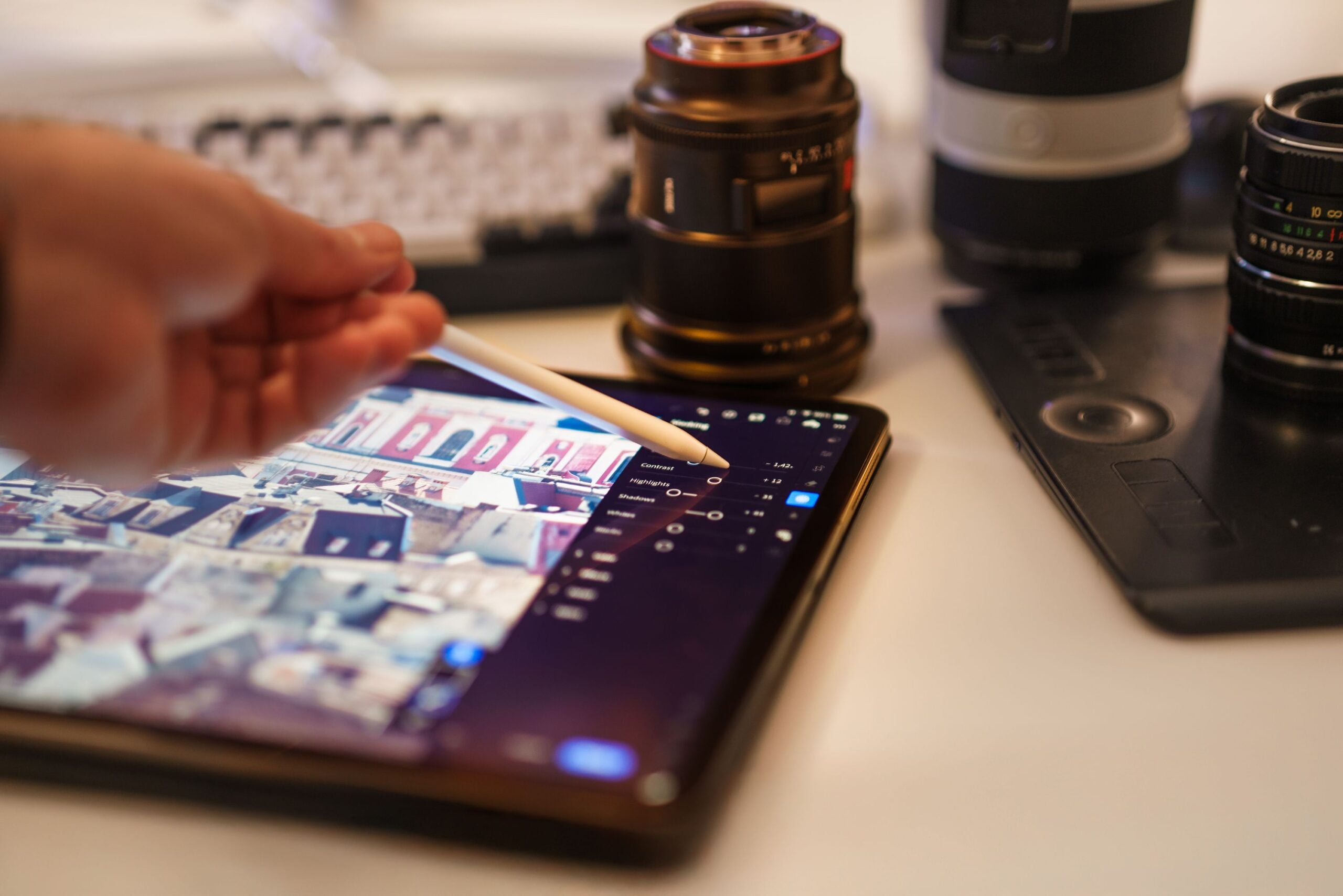
The specialised gear you use to do your work is deductible. Cameras, instruments, laptops, tablets, editing hardware, design tools and the equipment of your particular craft can be claimed. Items that cost $300 or less can generally be claimed in full in the year you buy them, while more expensive items are claimed as a decline in value over their effective life. Where you use something for both work and personal life, you claim only the work-related portion.
Self-education and staying current
Creative fields move quickly, and keeping your skills sharp is often deductible. Courses, workshops, industry training and coaching that maintain or improve the skills you already earn income from can be claimed. A designer learning new software they use at work, or an editor taking a course in a technique their job requires, is on solid ground. Training aimed at moving into an entirely new field is treated differently, so the connection to your current income is what counts.
Working from home
If you do part of your work from home, you can claim the running costs, either through the fixed rate per hour worked from home or by working out the actual work-related portion of your bills. Whichever you choose, the records have to be kept as you go rather than estimated at tax time. Our working from home guide walks through both methods and the records each one needs.
Wardrobe, and where the line sits
This is where creative workers most often get it wrong. Distinctive costumes, protective clothing and genuine performance wardrobe used only for work are deductible. Everyday clothing is not, even where you bought it specifically for a role or feel you need to look a certain way, because the ATO treats conventional clothing as private regardless of how you use it. Stage makeup for a performance can be claimed, while general grooming cannot.
Travel and other work costs
Travel between separate workplaces, and to jobs away from your usual place of work, can be claimed where it genuinely relates to earning income, with accommodation and meals claimable when you are away overnight for work. On top of that sit union and professional association fees, agent or manager commissions, work-related phone and internet use, and the cost of equipment repairs and insurance. The ordinary commute from home to a regular workplace is not deductible.
Income averaging, if your earnings swing
If your creative income rises and falls sharply from year to year, and your work falls within the special professional categories such as performing artist, author or production associate, you may be able to average your professional income so a strong year is not taxed as harshly. It is a specialised concession with technical eligibility rules, and it is worth asking about if your income is uneven.
Some creative careers have their own specifics worth a closer look: our guides to content creator tax deductions and creative freelancer tax deductions go deeper for those audiences.
Frequently Asked Questions
What can creative workers claim on tax?
Tools of trade and equipment, self-education that maintains your current skills, working from home running costs, distinctive work wardrobe and stage makeup, work travel between jobs, professional association and union fees, agent commissions, and work-related phone and internet use. Everyday clothing, general grooming and the ordinary commute are not deductible.
Can I claim self-education in a creative job?
Yes, where the course or training maintains or improves the skills you already earn income from. A performer taking a masterclass in their discipline, or an editor learning software their job uses, can generally claim it. Training to break into a different field is treated differently, so the link to your current income is what matters.
Are tools of trade tax deductible?
Yes, where they are used to earn your income. Items costing $300 or less can usually be claimed in full in the year of purchase, while more expensive tools are claimed as a decline in value over their effective life. Where you also use a tool privately, you claim only the work-related share.
Can creatives claim working from home?
Yes, where you genuinely do part of your work from home. You can use the fixed rate per hour worked from home or claim the actual work-related portion of your running costs, but either way you need a real record of the hours worked from home, kept through the year rather than estimated at the end.
Your Creative Worker Checklist
Income
- Income summary from every employer, client and agent
- Note of whether income swings enough to consider averaging
Deductions
- Tools and equipment purchases, with dates and costs
- Self-education, workshop and training costs tied to your current work
- Home office hours log or actual running cost records
- Distinctive work wardrobe, costumes and stage makeup
- Work travel records, with the purpose noted
- Union, professional association and agent fees
- Work-related phone and internet use
- Equipment repairs and insurance
Things to check
- Eligibility for special professional income averaging
- Whether any side income means you are running a business
Work with people who understand creative work
Creative deductions have edges that trip people up, from the wardrobe rule to the income averaging concession, and a practice that does not work with creatives often can miss them. Count Out Loud works with people across the creative industries throughout Australia, so the questions above are everyday work rather than an unfamiliar case.
If you’d like a clear read on what you can claim, start with a conversation. Call us on (02) 9043 1525 or get in touch through countoutloud.com.au.